


February 12th, 2026
Access to clean, pure water is essential. Water is a necessity for so many daily activities, including hydration, food preparation, and more, and you want to make sure that what you are consuming on a daily basis is of the highest quality.
At Crystal Water, we are dedicated to water that is clean and tastes great. Our Pocatello water filtration services can transform your water experiences so that you can elevate your beverages, your food, and your lifestyle.
This article will explain what water filtration is, why it is so important for your household, and how you can access filtered water in your home.
Water Filtration Explained
Water filtration is the process of separating contaminants from tap water in order to make it cleaner for drinking purposes, as well as for other purposes such as medical or pharmaceutical applications.
City water treatment is designed to make water safe to drink, but filtration takes it a step further. As the water runs through a filter, impurities are either physically blocked or chemically absorbed so that they do not end up in your glass.
Common impurities that you might find in unfiltered tap water include chlorine, heavy metals, sediment, fluoride, calcium, and even bacteria. These all affect the taste of the tap water, and in some cases, they may have health implications.
Water Filtration Systems
Different water filtration systems might work better in different circumstances. Often, the type of filtration system used depends on the budget, the purpose of the water, and the impurities that are more likely to be present in the water you use. Here are some of the most common filtration systems.
Activated carbon filtration
Activated carbon filtration systems use activated carbon as a medium to either trap or adsorb organic chemicals, heavy metals, pesticides, and chlorine. It is important to note that adsorption is distinct from absorption, and it refers to the adhesion of particles to a surface.
Activated carbon filters work well to remove substances such as chlorine, pesticides, and volatile organic compounds (VOCs). Because they don’t remove minerals, salt, or microbes, they are often part of a more complicated filter system.
Ceramic filtration
Since ceramic is a porous material, it can be used to trap bacteria. The reason this is so crucial is that some bacteria can cause waterborne diseases, like salmonella for instance.
It can also make water less cloudy and more neutral-tasting, and it is often paired with activated carbon filtration.
Distillation
Water distillation systems produce steam through the process of boiling water. As it cools off and condenses back into a liquid, it leaves behind most impurities.
Bacteria, viruses, and minerals are typically removed in this process. Because distilled water is so highly purified, it is regularly used in laboratory or medical settings.
Ion-exchange filtration
Ion exchange filtration is a chemical filtration system. It replaces ions that are less desirable with better ones.
In practice, this softens water, as it can replace hard ions like calcium or magnesium with softer ions like sodium. This is great for regions with hard water, but it often needs to go alongside another type of filtration to remove other impurities.
Reverse osmosis
Reverse osmosis uses high pressure in order to push water through a membrane that has tiny pores. This membrane lets the water through and blocks contaminants.
In this process, bacteria, chemicals, dissolved salts, and more can be blocked from the water.
Ultraviolet filtration
In ultraviolet (UV) filtration, light can be used to kill microorganisms and disinfect water. Essentially, the DNA and RNA are damaged by the light, which turns them into harmless substances.
Because this process requires water that is already clear in order to be truly effective, ultraviolet filtration is often the final stage in a filtration process.
The Benefits of Filtered Water
Water filtration comes with many benefits for your household. Firstly, it makes your water taste much better. When trying to motivate yourself and your family to drink enough water, it is much easier when the water in your house is fresh and enjoyable to drink.
If you use water to cook with, filtered water will also make your food taste better, so you can take the meals you eat to the next level.
Filtered water is both cheaper and better for the environment than bottled water, and it is also safer and healthier than unfiltered tap water. Even if tap water is considered safe to drink, you might not want to drink water that might still have contaminants.
With a filtered tap, you can be more confident in the water you drink. This can protect you from certain illnesses, give your immune system a break, and help protect you from contaminants like chlorine. In short, it’s quicker, easier, cheaper, tastier, and healthier to use filtered water.
Pocatello Water Filtration Services
At Crystal Water, we believe everyone should have access to the highest-quality water. Filtered water and its benefits can genuinely enhance your life.
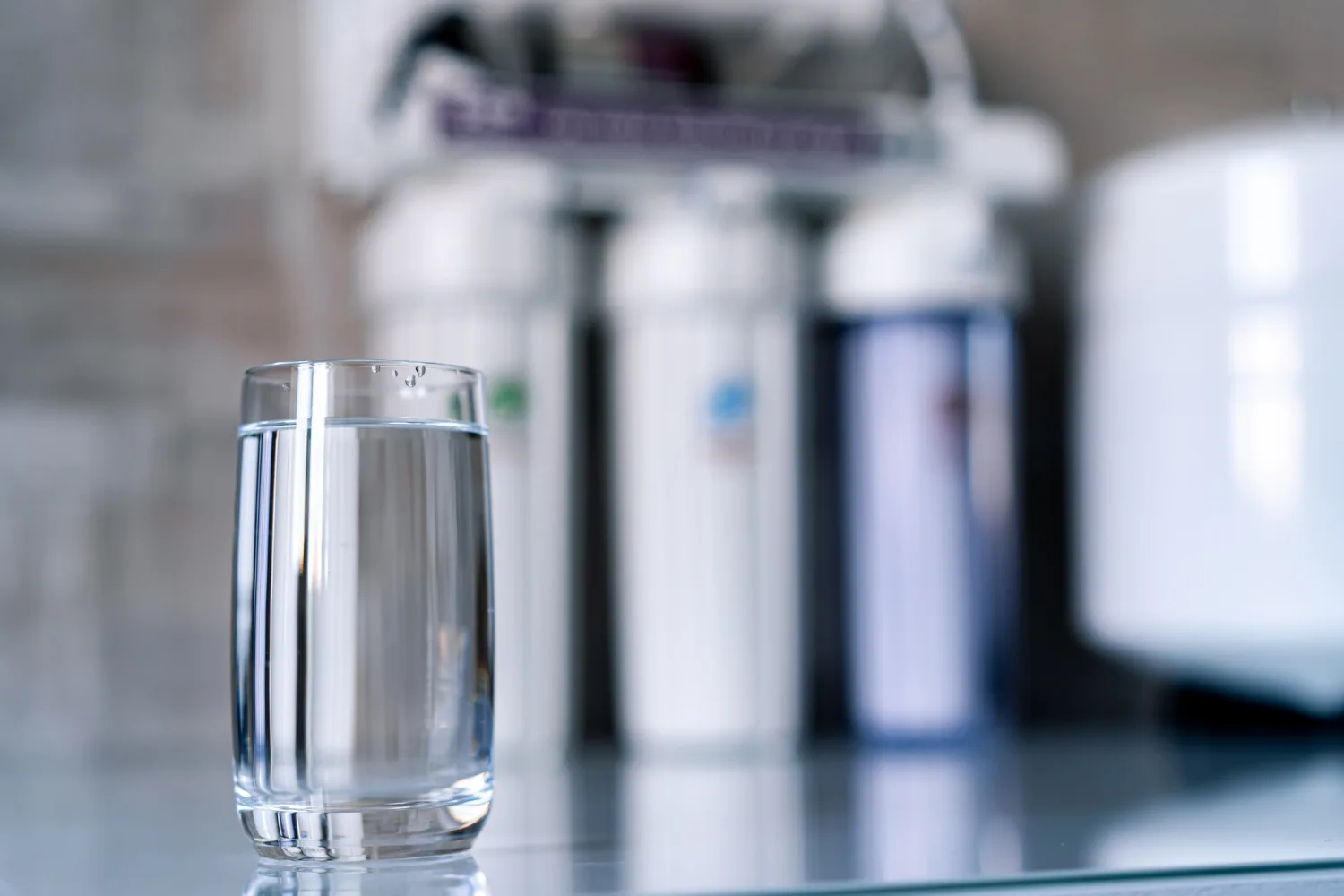
We offer a wide range of Pocatello water filtration services so you can enjoy fresh water whenever you want. Our Reverse Osmosis drinking water systems connect you with great-tasting water from the convenience of your sink.
Our drinking water coolers have a state-of-the-art filtration built right in, and you can get water at whatever temperature you would like. Whether for your home or your business, this system saves you the hassle of buying and storing bulky water bottles.
Reach out today to find out more about how Crystal Water can provide you with water that is fresh and tastes amazing.